Aliante sits at the north edge of the valley with open ground beyond it. It is a master planned community inside North Las Vegas, finished later than much of the valley, and both of those facts change what an inspection finds.
A newer build out, and what that means
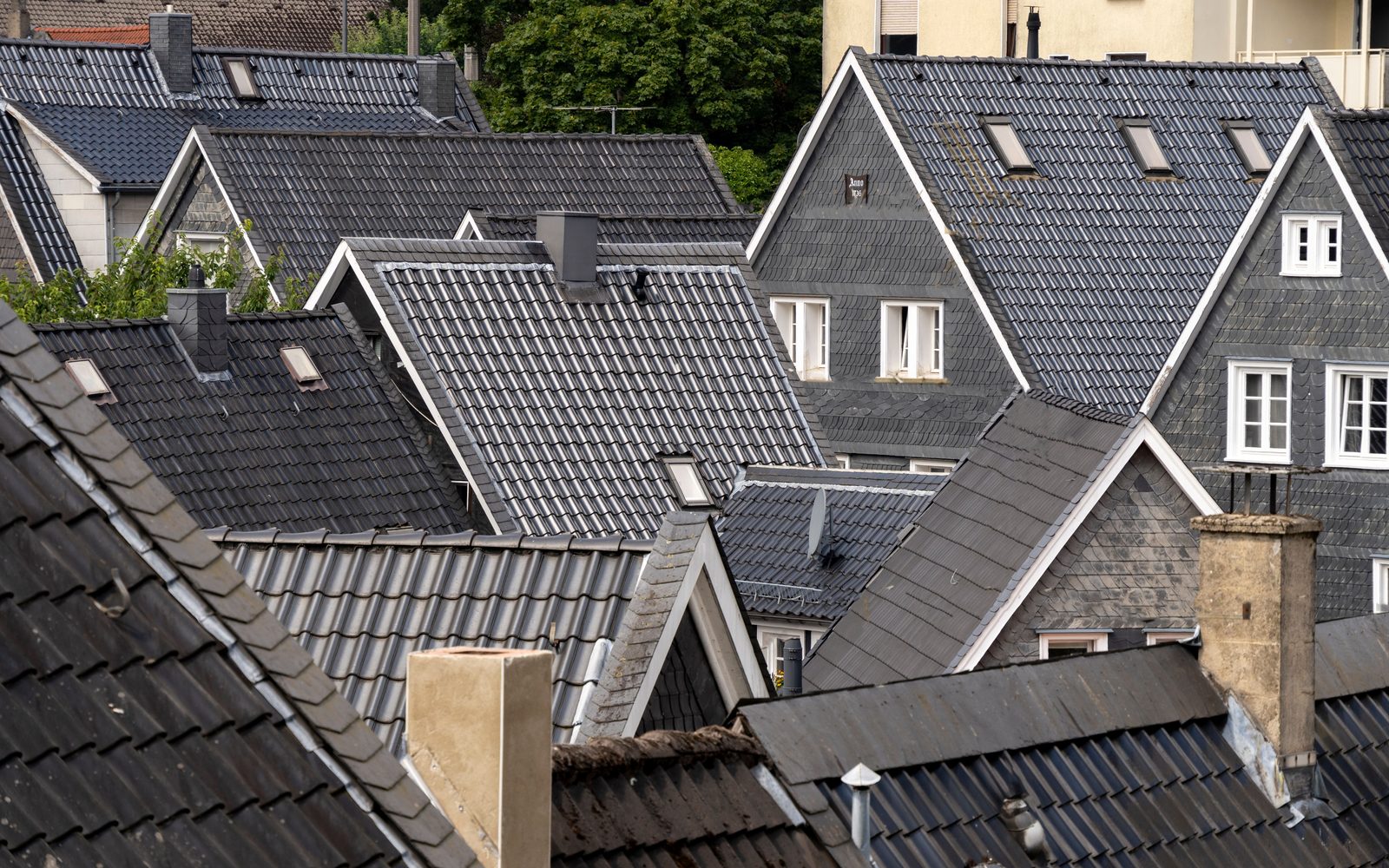
The housing is mostly concrete tile, with low slope sections over patios and garages. The commercial property is neighborhood scale: retail centers and pad buildings, small office and medical suites, a resort at the middle of the community, and the association and amenity buildings a planned community owns in common. Very little of it is old.
That sounds like an argument against inspecting, and it is the opposite. A younger roof has not lost its covering. What it has is original detailing, and detailing is where roofs fail. Pipe boots, vent collars, valley metal, wall and skylight flashing and the sealant somebody applied on the last day of the job are all hand made items, and heat starts working on them in the first summer. A split boot or a flashing that was caulked instead of formed is a small repair found now and a ceiling stain found later.
The second consequence of a late build out is timing. Everything went up close together, so the community will arrive at the underlayment question as a group. Knowing where your own roof sits is worth more than finding out alongside everyone else.
What the weather brings from open ground
The climate is the same one the areas we serve hub describes. What is specific here is exposure.
Wind that has crossed open ground is not broken up before it reaches the first buildings it meets, so it lifts at edges, corners and ridges rather than pressing on the middle of a roof. On tile that shows as movement at the rakes, the eaves and the ridge, and every tile out of position is a patch of underlayment put into direct sun. On the low slope sections it shows at the edge metal and the laps. Grit is the constant, and it gathers in exactly the places water needs to use.
So after a dry windy day there is something to inspect even though nothing leaked. That is the visit people skip, and it is the cheapest one available. Our storm damage inspection page covers what we record after weather.
Gates, managers and the calendar
A good deal of property here is behind a gate or run by a management company, so the first question is not when we can come but who can let us in. For a house, unlock side gates and secure any dog. For association or commercial property, tell us who holds the keys, whether the roof is reached through a tenant space, and whether residents need notice.
Buyers should say so at booking. Give us the closing date, tell us who controls access, and we will work back from it rather than around it.
If work is recommended, the permit for an Aliante address goes through the City of North Las Vegas building department rather than the county. Ask whoever quotes the job who files it, and keep the final sign off with your roof records.
Pick a time on the booking form. We cover residential and commercial property here, and the rest of the map is on the areas we serve page.
Common questions
How does blowing dust change what an inspection finds in Aliante?
It fills the paths water is supposed to take, quietly, across months of dry weather. There is open ground upwind of this part of the valley, so more grit arrives here than in the middle of a built up area.
- It settles in valleys, gutters, downspouts, scuppers and around drain strainers
- Also under the lower edges of tile courses, where nobody looks
- A roof built to shed water in seconds holds it for minutes
- Water backing up has time to find a lap in the underlayment
A packed gutter overflows back under the eave rather than away from the wall, and on low slope sections the same load sits in the drain. We look at the drainage path early rather than last, and say whether it is a clearance job or evidence water has already stood there.
We back onto open ground. What does that mean for the report?
It means the report spends more attention on the edges than on the middle. Wind crossing open ground reaches the first buildings it meets unbroken, and it works by lifting at edges, corners and ridges.
- On tile that shows at the rakes, the eaves and the ridge
- A tile worked out of position leaves underlayment sitting in direct sun
- On low slope it shows at edge metal, coping joints and windward laps
- Anything not fixed down can leave once and score the surface
- The difference is not a different roof, just different attention
It is attachment checked harder, moved tiles recorded rather than walked past, and a look after a windy day rather than only after rain. A dry windy day leaves damage that nothing reveals until the storm that finally tests it, so book after wind too.
Our roof is still within its builder warranty period. Does an inspection help or hurt that?
It helps, provided you read your own documents first. A warranty is a promise with conditions attached, usually about who may go on the roof, what counts as maintenance and how a defect must be reported.
- Read the term and conditions in the paperwork, not from memory
- If the document is missing, ask the builder or manufacturer now
- Photographs, locations, a cause and a date are what a claim needs
- They establish that a condition existed while the cover was live
An inspection also separates a defect in how the roof was built, which is a warranty matter, from ordinary weathering, which is not. Nothing about the visit disturbs the cover, because we do not open a roof or carry out work unless you ask. Take any defect to the warranty holder while you still can.
Nothing on the report is leaking. Why does it still matter before we list the house?
Because the buyer is going to have the roof looked at, and the only question is whether you see the findings first.
- In a community built out at once, an inspector knows what to expect
- Anything found late in escrow is negotiated with the buyer holding the calendar
- Your own report lets you repair, price or disclose the item instead
- A vague finding with no photograph is easy to inflate into a replacement
A dated report with images and locations gives you something specific to answer with. Book while there is still time to act rather than the week the listing goes up, and keep the report and any invoices together, because documentation beats describing it from memory.