What a buyer gets that a general inspection does not
Depth on one component, and a document that can be used. A general home inspection covers an entire property in a single visit and treats the roof as one item among dozens, often from a ladder at the edge. That is the right scope for what it is. It is not enough to negotiate with, because a line recommending further evaluation by a roofing contractor is where this inspection starts rather than where it ends.
What you receive here is the roof looked at on its own terms, with photographs of each fault, a location for each one, a description of the cause and a repair scope a contractor can price. That last part is what changes a conversation with a seller. A specific fault with a quote attached is a number. An impression is not.
What we will not tell you
We will not give you an exact number of years. Remaining life depends on the covering, on how the details were maintained, on how exposed the roof is and on weather that has not happened yet, and one visit cannot reduce that to a single figure. You will get a range, the reasoning behind it and a clear statement of which end of it the evidence points to.
We will not open a commercial roof without the owner’s written permission, and we will not rate a section we could not reach safely. Where something could not be inspected, the report says which part and why, so you can decide what to do about the gap rather than assuming there was not one.
When buyers call
Usually in the first days after an offer is accepted, which is the right time. The inspection period is short, and a finding only helps if it arrives while you can still act on it. Booking on day one costs nothing extra if the roof turns out to be sound and buys you room to get a repair priced if it does not.
The calls that arrive late are the difficult ones. A buyer with a few days left can usually still get a visit, but not a second visit for access that was refused, not moisture testing on a commercial roof, and not much time to turn a finding into a quote. Where the property is older, where somebody has mentioned a leak, or where the roof has obviously been worked on, start with the roof rather than getting to it.
Common questions
Do you inspect houses as well as commercial buildings before a purchase?
Yes, and the questions differ enough to be worth saying how. On a house the decisive issue is usually the layer under the covering, and on a commercial building it is the deck, the insulation and the equipment details.
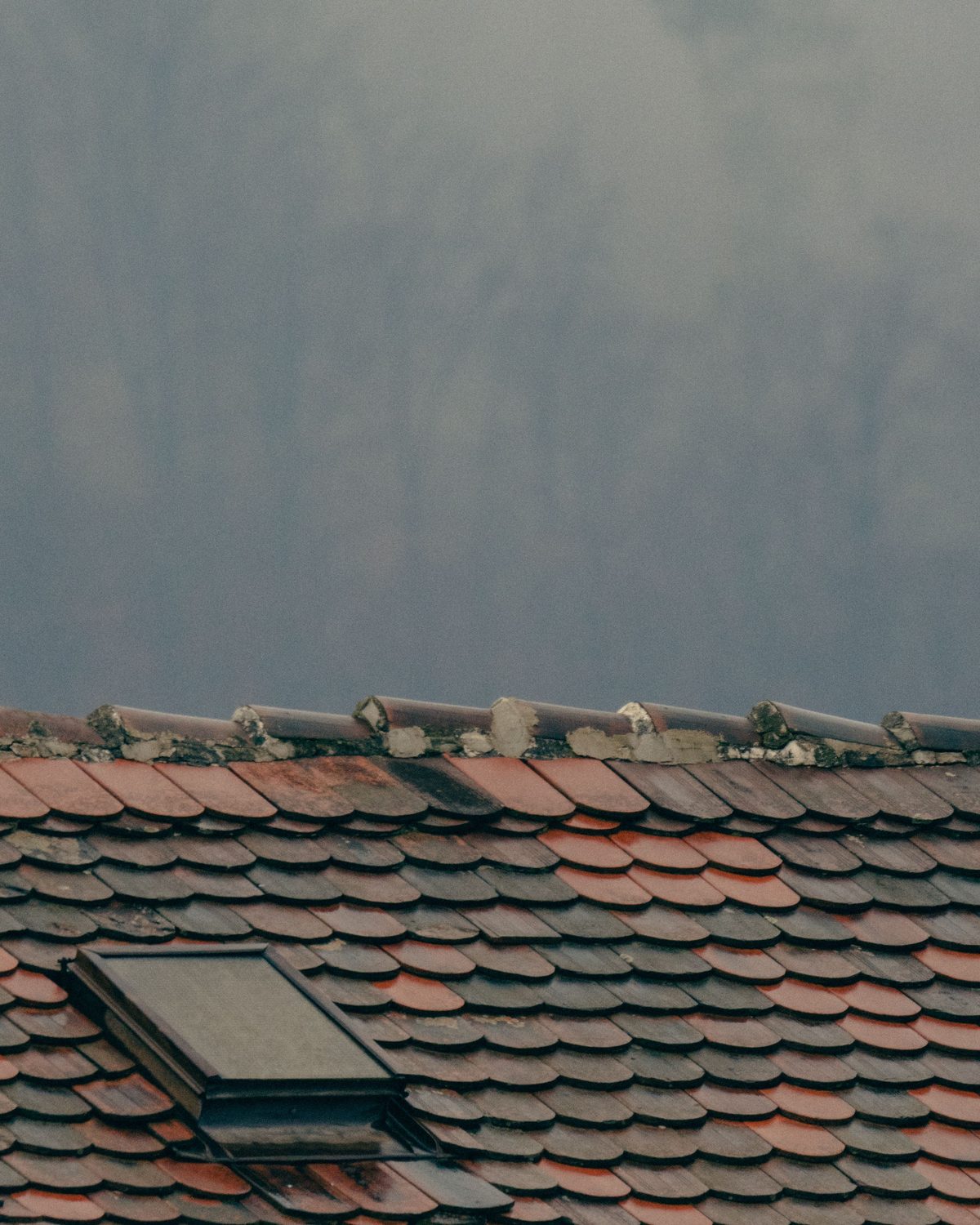
- Tile can look sound while the underlayment beneath it is finished
- House inspections cover covering, underlayment, flashings and past repair quality
- Commercial turns on how many systems are already on the deck
- Those drive the gap between a repair budget and a replacement budget
Both reports are written the same way, with photographs, locations, causes and a repair scope, because both end up in a negotiation with a seller or a decision about proceeding at the agreed price. Tell us which you are buying when you book.
How is access arranged when the property is occupied?
Through whoever controls the property, which usually means the listing agent for a house and the seller or their property manager for a commercial building.
- Access is what most often pushes a booking past a deadline
- Occupied commercial buildings are slowest, since tenants have notice requirements
- Some roofs are reached only through a tenant suite
- Gated sites and shared lots need arranging before a lift arrives
Start that conversation the day your offer is accepted, not the day you want the inspection, and tell us what you learn so the visit can be planned properly. Ask at the same time for interior access to any stained area and for whatever roof paperwork the seller holds.
Can the report be shared with my lender or my agent?
You can share it with anyone, and it is written to be read by people who were not there. What you should not assume is that another party can rely on it formally.
- A report is prepared for the person who engaged us
- Anyone who must depend on it should be named at engagement
- Naming them at the start is easy, adding them before closing is not
- Most home purchases simply forward the report with no issue
Ask your lender what it actually wants. Some want a full property condition assessment covering the whole building, with the roof as one section, which is a larger document than a roof inspection. Settle that before you book for a commercial purchase.
Does recent roof work make an inspection unnecessary?
No. A recently worked on roof is where an inspection earns its money fastest, because new work is not automatically correct work and a roof repaired to get a property sold is a known category.
- You want to know what was done and whether it addressed the cause
- A coating sprayed over a failing surface photographs well and buys little time
- A job described as a section replacement can arrive as a patch
- Where the work was genuinely done well, the report is short and dull
Ask the seller for invoices, the contractor's name, the scope of work, permits where the job needed one, and any warranty terms and whether they transfer. Then have the work looked at against that paperwork before you close, not after.
Can you inspect a vacant property?
Yes, and vacant properties are straightforward to schedule because nobody has to be worked around. What they need is someone to provide access and some warning if the utilities are off.
- An empty building has nobody reporting drips, so water can run unnoticed
- Evidence sits in the ceilings and insulation rather than a maintenance log
- Drains fill and standing water is common on empty low slope roofs
- Vandalism and stripped flashings, copper and aluminum are worth checking
Tell us how long it has been empty and whether it was ever secured. On a bank owned or distressed property there is often no history at all, so the report has to carry more of the weight. Book early enough to price what it finds.